
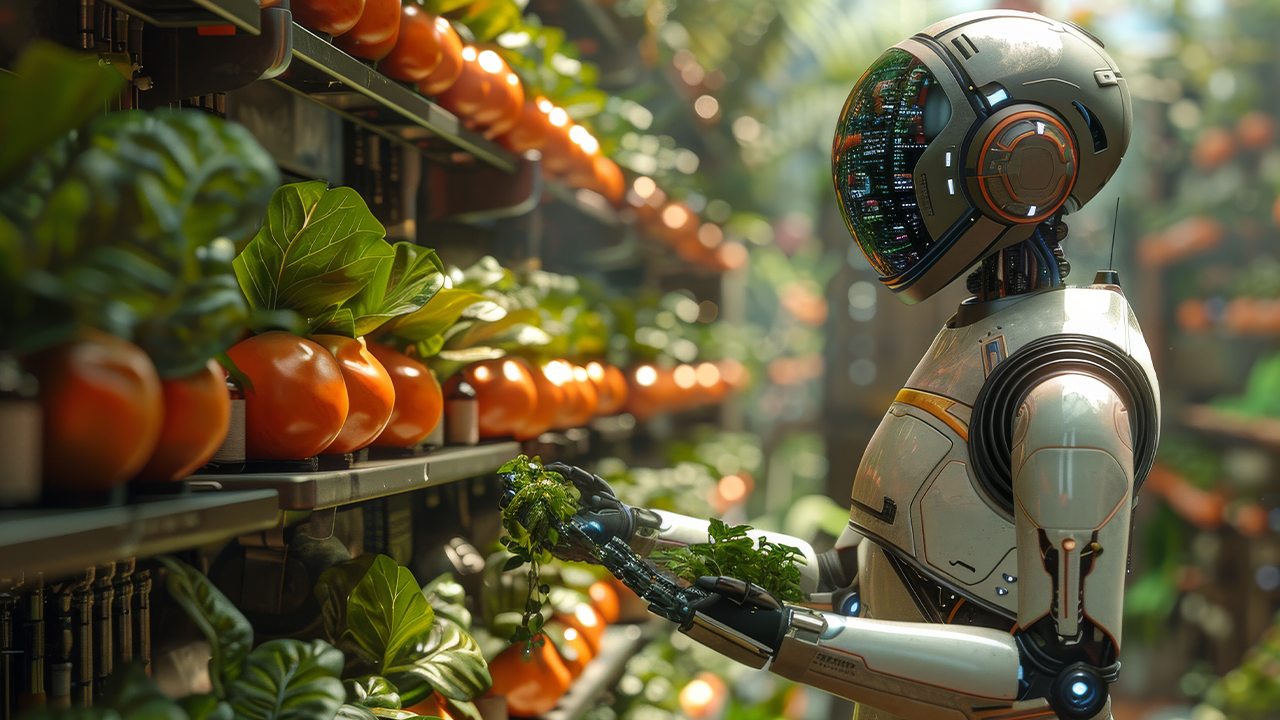
Feeding the Future: Tackling Global Food Security with AI Agriculture
07 Aug, 2024
- 11963 views




2016 - 2026 Copyright @ Graphie.
All Rights Reserved
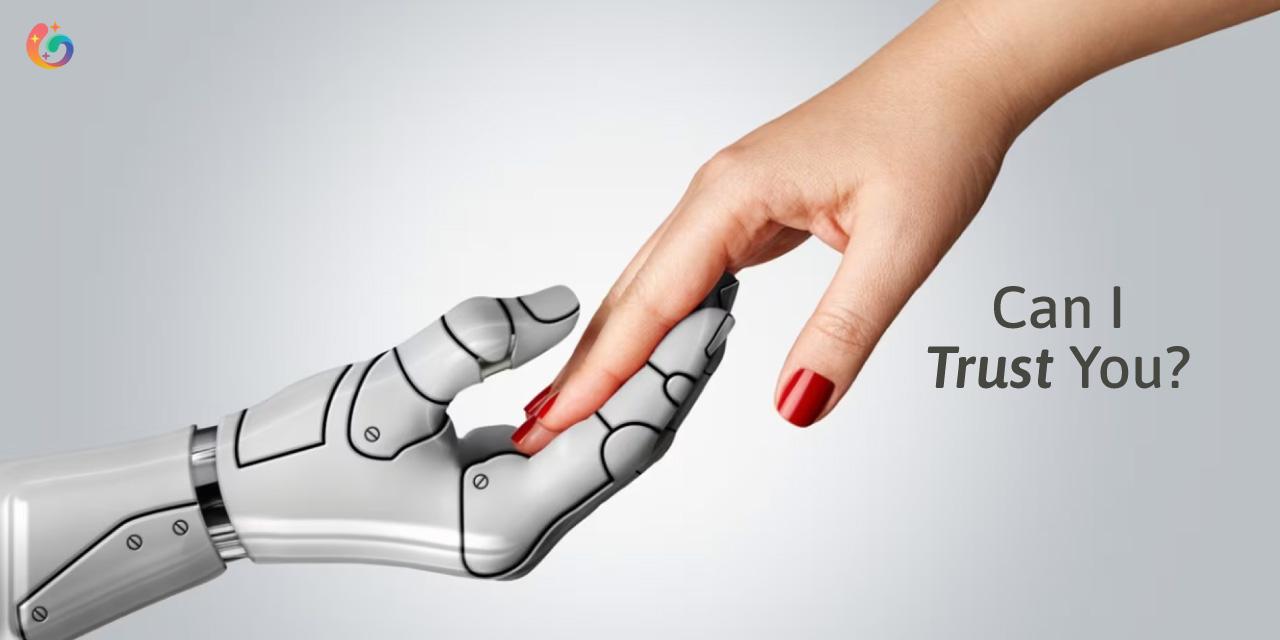
Artificial Intelligence (AI) has gone from niche research to mainstream technology in just a few years. From helping to write emails and automate workflows to assisting doctors and driving business decisions, AI tools are everywhere. But as adoption skyrockets, so do questions about trustworthiness: how reliable, accurate, widely used, and deeply embedded is AI today?
In this article, we explore real-world data on error rates, dependencies, accuracy, user trust, and global adoption — including the differences between developed and developing countries.
AI Accuracy Can Vary Greatly by Product
Not all AI systems perform equally. Independent audits of popular AI tools reveal stark differences in reliability. For example:
A major NewsGuard audit found one Chinese AI chatbot had only 17?curacy in delivering reliable news, while Western competitors performed markedly better, though still with elevated error rates. Reuters
This underscores that:
Trust Gap in Organisations
In a global business survey:
AI models work best when there’s proper oversight, validation, and human review — especially in high-stakes domains like finance, healthcare, or legal decisions.
Massive User Base
Konsultasi GRATIS tanpa Komitmen, dan temukan strategi terbaik untuk bisnis Anda.
CHAT SEKARANGAI usage has exploded globally:
Rapid Growth Compared to Earlier Generations
Studies show adoption metrics are outpacing earlier technology waves:
Company adoption jumped from ~55% in 2023 to nearly 78% in 2024 — illustrating how AI has moved from early experimentation to mainstream use. Originality
This suggests AI usage intensity and reach are significantly higher than earlier forms of AI, and user engagement continues to grow year over year.
Among generative AI tools, usage patterns show clear leaders:
Why these tools excel:
These factors often matter more to users than perfect accuracy — especially for tasks like writing, design, or a first draft of research.
Developed Economies
In many advanced economies, AI tools are rapidly becoming part of daily routines:
However, trust remains mixed:
In some Western countries, trust in AI is relatively low, with only about 32% of Americans expressing confidence in AI systems — while trust levels are much higher in other regions like China. Axios
So: while many people use AI daily in developed nations, not everyone trusts it fully.
Developing Countries
In emerging economies, AI usage is growing fast, but patterns differ:
Yet widespread adoption is still uneven:
A large portion of the global population — especially in regions with limited internet, electricity, or digital skills — remains outside of regular AI use. Business Insider
Bottom line: AI usage is substantial in both developed and some developing nations, but not everyone globally uses AI in everyday life — infrastructure and skill barriers persist.
Yes — but with caveats:
✔ AI systems have massive adoption and real utility.
✔ Many organisations gain measurable value from deployment.
✔ Usage growth outpaces previous technological waves.
However:
In short, AI is increasingly reliable and prevalent, but trust and integration depend on context, governance, and use case.
AI is no longer confined to labs or isolated experiments. It plays a role in everyday tools, professional workflows, and consumer services across the globe. But its trustworthiness is nuanced — influenced by:
As both businesses and individuals continue to adopt AI, emphasising transparency, accuracy, and ethical safeguards will determine how widely AI can be trusted and relied upon in the long term.


Recommended for you
Feeding the Future: Tackling Global Food Security with AI Agriculture
The Psychology Behind Match-3 Games: Why Ducky Pop is So Addictive
The Best Power-Ups and Boosters in Ducky Pop: When and How to Use Them
Tonework: The Future of Personalized Beauty is Here
Unlock the Hidden Worlds: Exploring the Different Themes and Levels in Ducky Pop
From Idea to Launch: A Step-by-Step Guide to Building Your Dream Startup
The Hydrogen Fuel Frontier: Aryanto Misel's Nikuba Tech Shakes the World
AI to the Rescue: Solving Urban Congestion with Smart Public Transportation
Ducky Pop: A Splash in the Match-3 Pool
Eye-Catching Profits: How Smart Design Turns Browsers into Buyers
The Digital Revolution: How Mobile Apps Have Transformed Our Daily Lives
The Future of Website Design: AI-Driven Tools Transforming User Experience
What Are the Most Challenging Obstacles in Ducky Pop and How to Overcome Them?
Ducky Pop: A Splash in the Match-3 Pool
The Rise of NFTs in the Industry: Revolutionizing Digital Assets and Innovation