
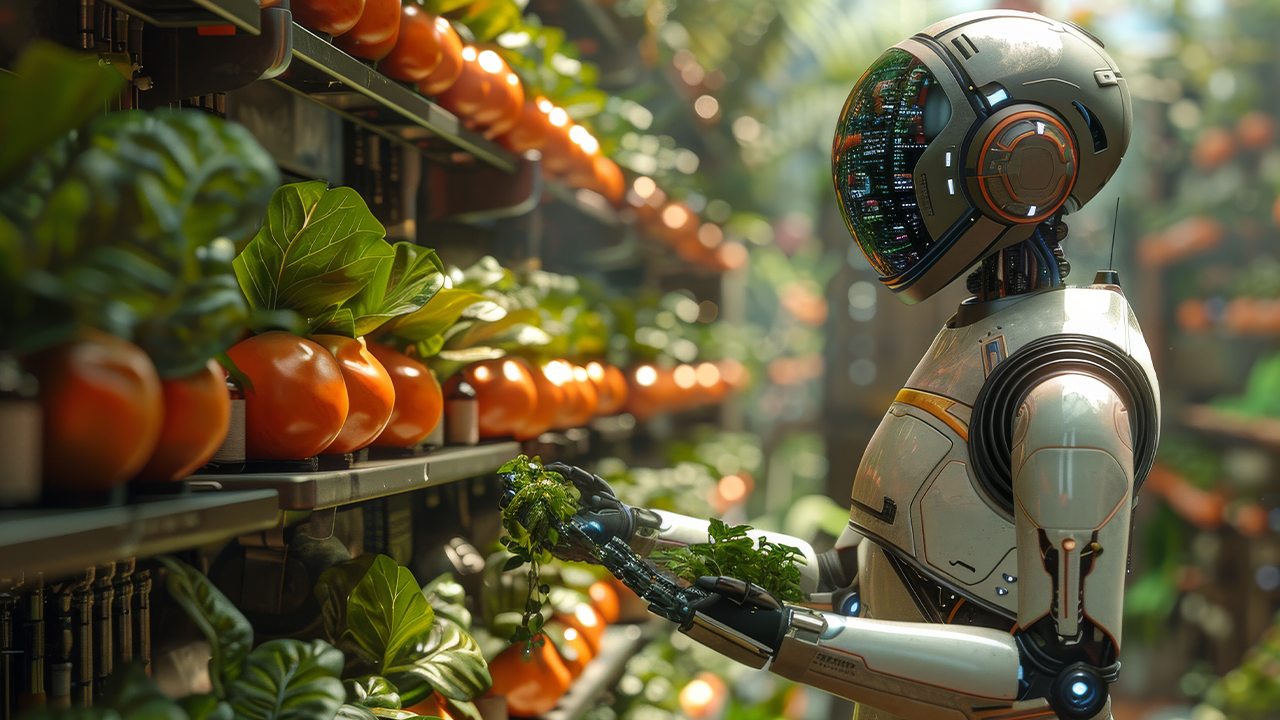
Feeding the Future: Tackling Global Food Security with AI Agriculture
07 Aug, 2024
- 11963 views




2016 - 2026 Copyright @ Graphie.
All Rights Reserved
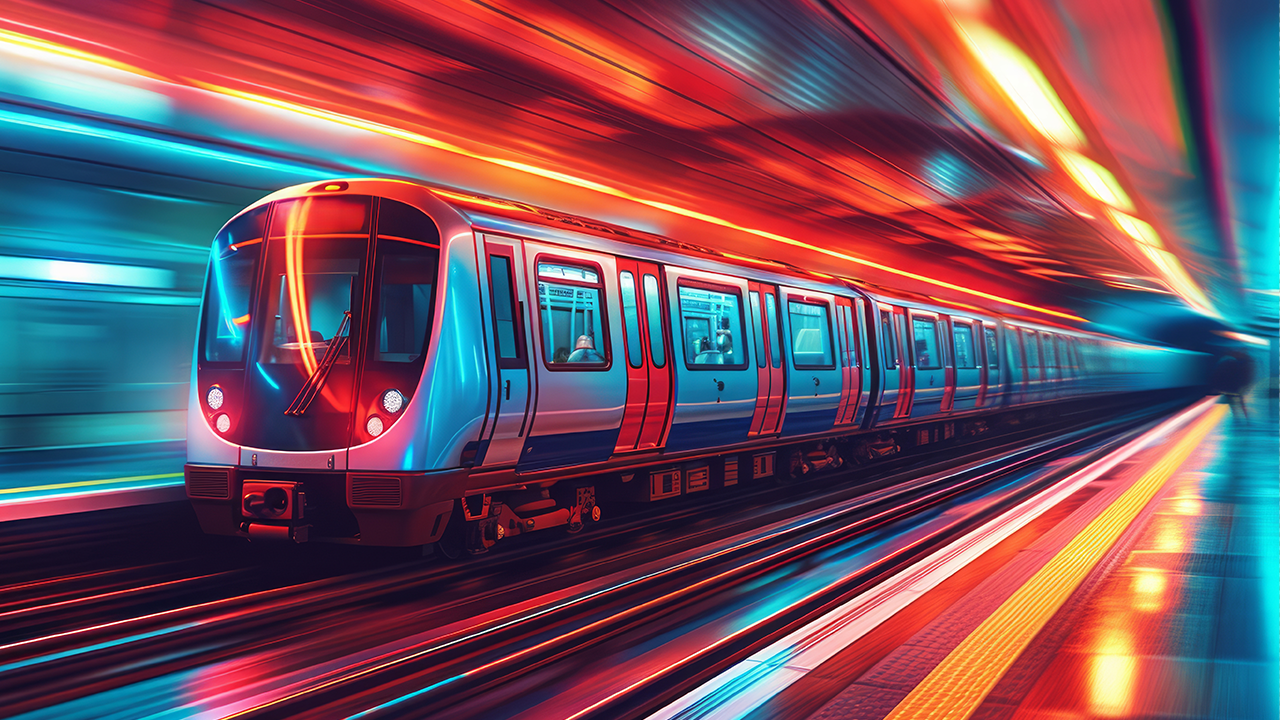
As cities continue to grow, traffic congestion has become a major issue that affects the quality of life of urban dwellers. However, with the advent of AI-powered public transportation systems, cities are now able to optimize routes and reduce traffic congestion, making commuting faster and more efficient. In this article, we explore how AI-powered public transportation systems are transforming cities, the technologies they use, and the impact on everyday commuter experience.
Konsultasi GRATIS tanpa Komitmen, dan temukan strategi terbaik untuk bisnis Anda.
CHAT SEKARANGAI and Transportation Planning
AI-driven solutions are being used to optimize urban transportation networks. AI algorithms can analyze data from a variety of sources, such as traffic cameras, GPS data, and weather forecasts, to predict traffic patterns and optimize routes. This can lead to shorter travel times, fewer emissions, and improved safety.
Smart Public Transportation Systems
Smart public transportation systems use real-time data to optimize traffic flow and reduce congestion. These systems can also predict traffic patterns and adjust traffic signals accordingly. This can lead to shorter travel times, fewer emissions, and improved safety. Public transportation systems are also becoming more advanced, with the use of real-time tracking and scheduling. Automated vehicles can increase the efficiency and reliability of public transportation.
Real-Life Examples
Many cities around the world are already employing these systems. For example, the Santa Clara Valley Transportation Authority in California uses AI-powered traffic management systems to optimize traffic flow and reduce congestion. The system uses real-time data to predict traffic patterns and adjust traffic signals accordingly. This has led to a 20% reduction in travel time and a 30% reduction in emissions. In Singapore, the Land Transport Authority uses AI algorithms to optimize bus routes and schedules. This has led to a 12% reduction in travel time and a 10% increase in ridership.
AI-powered public transportation systems are transforming cities by optimizing routes and reducing traffic congestion. These systems are becoming more advanced, with the use of real-time tracking and scheduling, and automated vehicles. Real-life examples show that these systems can lead to shorter travel times, fewer emissions, and improved safety. As cities continue to grow, AI-powered public transportation systems will play an increasingly important role in improving the quality of life of urban dwellers.


Recommended for you
Feeding the Future: Tackling Global Food Security with AI Agriculture
The Psychology Behind Match-3 Games: Why Ducky Pop is So Addictive
The Best Power-Ups and Boosters in Ducky Pop: When and How to Use Them
Tonework: The Future of Personalized Beauty is Here
Unlock the Hidden Worlds: Exploring the Different Themes and Levels in Ducky Pop
From Idea to Launch: A Step-by-Step Guide to Building Your Dream Startup
The Hydrogen Fuel Frontier: Aryanto Misel's Nikuba Tech Shakes the World
AI to the Rescue: Solving Urban Congestion with Smart Public Transportation
Ducky Pop: A Splash in the Match-3 Pool
Eye-Catching Profits: How Smart Design Turns Browsers into Buyers
The Digital Revolution: How Mobile Apps Have Transformed Our Daily Lives
The Future of Website Design: AI-Driven Tools Transforming User Experience
What Are the Most Challenging Obstacles in Ducky Pop and How to Overcome Them?
Ducky Pop: A Splash in the Match-3 Pool
The Rise of NFTs in the Industry: Revolutionizing Digital Assets and Innovation