

Feeding the Future: Tackling Global Food Security with AI Agriculture
07 Aug, 2024
- 11963 views


2016 - 2026 Copyright @ Graphie.
All Rights Reserved
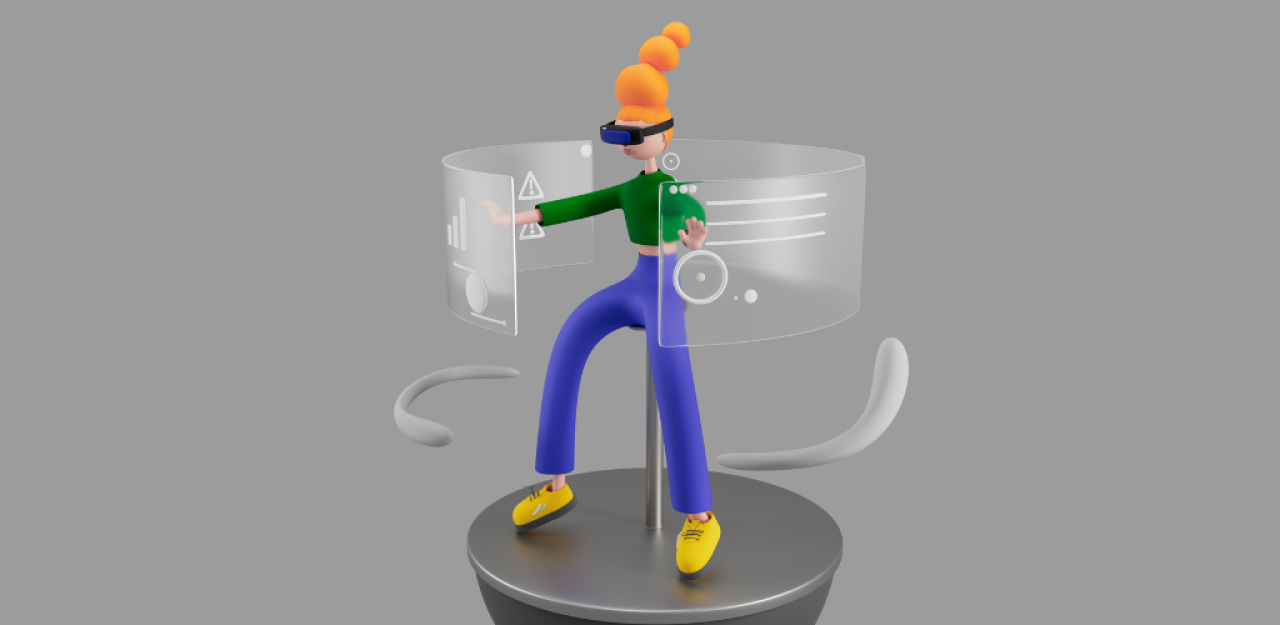
In recent years, 3D design has revolutionized how we interact with digital platforms. This technology, which adds depth, realism, and a sense of presence, is reshaping user experiences across industries, from gaming to e-commerce to education. The impact of 3D design goes beyond mere visuals; it immerses users, engaging them in ways that were once unimaginable.
Konsultasi GRATIS tanpa Komitmen, dan temukan strategi terbaik untuk bisnis Anda.
CHAT SEKARANGBringing Realism and Depth to Digital Spaces
One of the primary advantages of 3D design is its ability to bring realism and depth into digital environments. In the past, digital interfaces were often flat and two-dimensional, which limited the user’s sense of immersion. However, with the adoption of 3D modeling, users can now experience digital worlds that feel more authentic and lifelike. This sense of depth and space makes interactions more intuitive, allowing users to navigate and engage with content in ways similar to the real world.
For instance, in e-commerce, 3D product visualization allows customers to view products from all angles, simulating an in-store experience. Shoppers can zoom in, rotate, and examine details of items, significantly enhancing their confidence in purchasing decisions. This added layer of interaction helps bridge the gap between the physical and digital shopping experience.
Enhancing User Engagement through Interactivity
3D design opens doors to high levels of interactivity, transforming passive users into active participants. In gaming, for example, 3D worlds enable players to explore intricate environments, interact with objects, and feel as though they are part of the narrative. This level of immersion is essential to engaging users on a deeper level, making them more likely to spend time in the digital space.
In education, 3D environments make complex subjects more accessible. Imagine a biology student exploring a 3D model of the human body, zooming in on organs, and viewing animations of cellular processes. This type of engagement enhances learning by making abstract concepts tangible and memorable.
Strengthening Brand Identity with 3D Design
For businesses, 3D design can be a powerful tool for reinforcing brand identity. Customizable 3D elements can be tailored to reflect a brand’s aesthetics and values, helping to create a unique and memorable user experience. In virtual showrooms, companies can design spaces that reflect their brand image, from the colors and textures of the walls to the layout and lighting, creating a cohesive and immersive environment that resonates with customers.
As companies integrate 3D technology into their digital strategies, they gain a competitive edge by delivering personalized, memorable, and immersive experiences. Users who associate a brand with cutting-edge technology and engaging interactions are more likely to remember and revisit it, leading to stronger brand loyalty.
The Role of 3D Design in the Future of Digital Spaces
As 3D technology advances, its potential applications in digital spaces continue to grow. Augmented Reality (AR) and Virtual Reality (VR) technologies, for example, leverage 3D design to create experiences that blend the physical and digital worlds. From virtual conferences to immersive online stores, 3D design is set to play a crucial role in the next generation of digital experiences.
The future of 3D design in digital spaces is bright, with innovations that promise to redefine user interactions and reshape industries. Whether through creating realistic environments, fostering interactivity, or enhancing brand identity, 3D design is a driving force behind a more immersive and engaging digital landscape.


Recommended for you
Feeding the Future: Tackling Global Food Security with AI Agriculture
The Psychology Behind Match-3 Games: Why Ducky Pop is So Addictive
The Best Power-Ups and Boosters in Ducky Pop: When and How to Use Them
Tonework: The Future of Personalized Beauty is Here
Unlock the Hidden Worlds: Exploring the Different Themes and Levels in Ducky Pop
From Idea to Launch: A Step-by-Step Guide to Building Your Dream Startup
The Hydrogen Fuel Frontier: Aryanto Misel's Nikuba Tech Shakes the World
AI to the Rescue: Solving Urban Congestion with Smart Public Transportation
Ducky Pop: A Splash in the Match-3 Pool
Eye-Catching Profits: How Smart Design Turns Browsers into Buyers
The Digital Revolution: How Mobile Apps Have Transformed Our Daily Lives
The Future of Website Design: AI-Driven Tools Transforming User Experience
What Are the Most Challenging Obstacles in Ducky Pop and How to Overcome Them?
Ducky Pop: A Splash in the Match-3 Pool
The Rise of NFTs in the Industry: Revolutionizing Digital Assets and Innovation