

Feeding the Future: Tackling Global Food Security with AI Agriculture
07 Aug, 2024
- 11963 views




2016 - 2026 Copyright @ Graphie.
All Rights Reserved
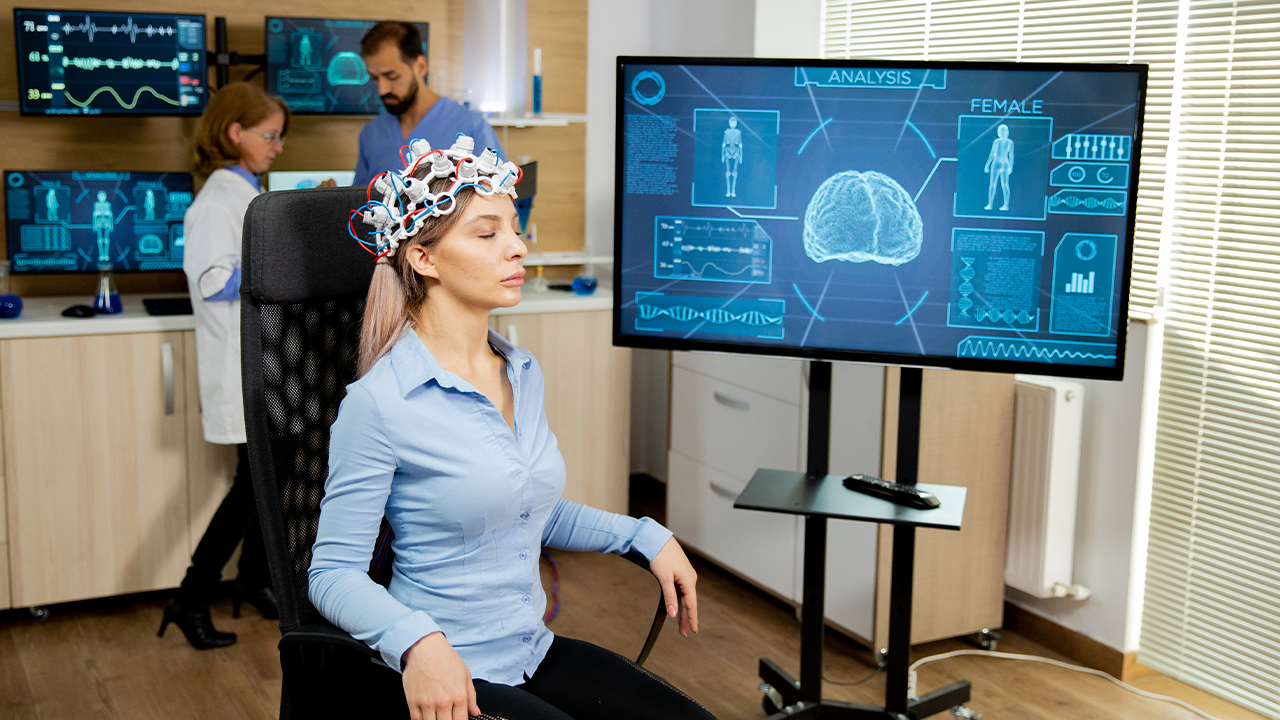
The healthcare industry is on the verge of a major transformation with AI technology. The introduction of predictive analytics, personalized medicine, and disease detection has made it possible to provide better care to patients than ever before. With AI, medical professionals can now analyze large volumes of patient data in real-time and make informed decisions quickly. One area where AI is making a significant impact is in stroke detection. Stroke is a leading cause of death and disability worldwide, and early detection is critical to improving patient outcomes.
Konsultasi GRATIS tanpa Komitmen, dan temukan strategi terbaik untuk bisnis Anda.
CHAT SEKARANGThe Potential of AI in Stroke Detection
AI has been proven to provide more accurate measurements and get patients life-saving treatment before it is too late. AI algorithms can identify patterns in medical data that may be difficult for human doctors to detect. This technology can analyze large amounts of medical data and identify patients who are at high risk of stroke. AI can also help doctors make more informed decisions about treatment options, such as whether to administer clot-busting drugs or perform surgery.
The Role of FAST.AI in Healthcare
FAST.AI is a machine learning platform that is being used to develop predictive models for stroke detection. The platform uses computer vision to analyze medical images and identify signs of stroke. The technology is being used by medical professionals to improve patient outcomes and reduce the risk of disability and death from stroke.
The Future of AI in Healthcare
As AI technology continues to evolve, we can expect to see even more exciting use cases emerge in the years to come. Predictive analytics powered by AI can predict and reduce patient no-shows in healthcare systems. With improved diagnostic accuracy and patient outcome predictions, AI has tremendous potential to improve patient outcomes while reducing treatment costs. AI also shows great promise in assessing acute ischemic stroke cases that enable health institutions to enhance the safety of patient care by delivering more customized treatment plans based on particular data points found on individual cases detected by machine learning algorithms within large data sets.
In conclusion, AI is revolutionizing healthcare by creating new possibilities for predictive analytics, personalized medicine, and disease detection. The adoption of machine learning and computer vision in medicine, particularly stroke detection, is being revolutionized by the transformative potential of the FAST.AI application. The future of healthcare is bright with the continued development and implementation of AI technology.


Recommended for you
Feeding the Future: Tackling Global Food Security with AI Agriculture
The Psychology Behind Match-3 Games: Why Ducky Pop is So Addictive
The Best Power-Ups and Boosters in Ducky Pop: When and How to Use Them
Tonework: The Future of Personalized Beauty is Here
Unlock the Hidden Worlds: Exploring the Different Themes and Levels in Ducky Pop
From Idea to Launch: A Step-by-Step Guide to Building Your Dream Startup
The Hydrogen Fuel Frontier: Aryanto Misel's Nikuba Tech Shakes the World
AI to the Rescue: Solving Urban Congestion with Smart Public Transportation
Ducky Pop: A Splash in the Match-3 Pool
Eye-Catching Profits: How Smart Design Turns Browsers into Buyers
The Digital Revolution: How Mobile Apps Have Transformed Our Daily Lives
The Future of Website Design: AI-Driven Tools Transforming User Experience
What Are the Most Challenging Obstacles in Ducky Pop and How to Overcome Them?
Ducky Pop: A Splash in the Match-3 Pool
The Rise of NFTs in the Industry: Revolutionizing Digital Assets and Innovation