
Feeding the Future: Tackling Global Food Security with AI Agriculture
07 Aug, 2024
- 11963 views




2016 - 2026 Copyright @ Graphie.
All Rights Reserved
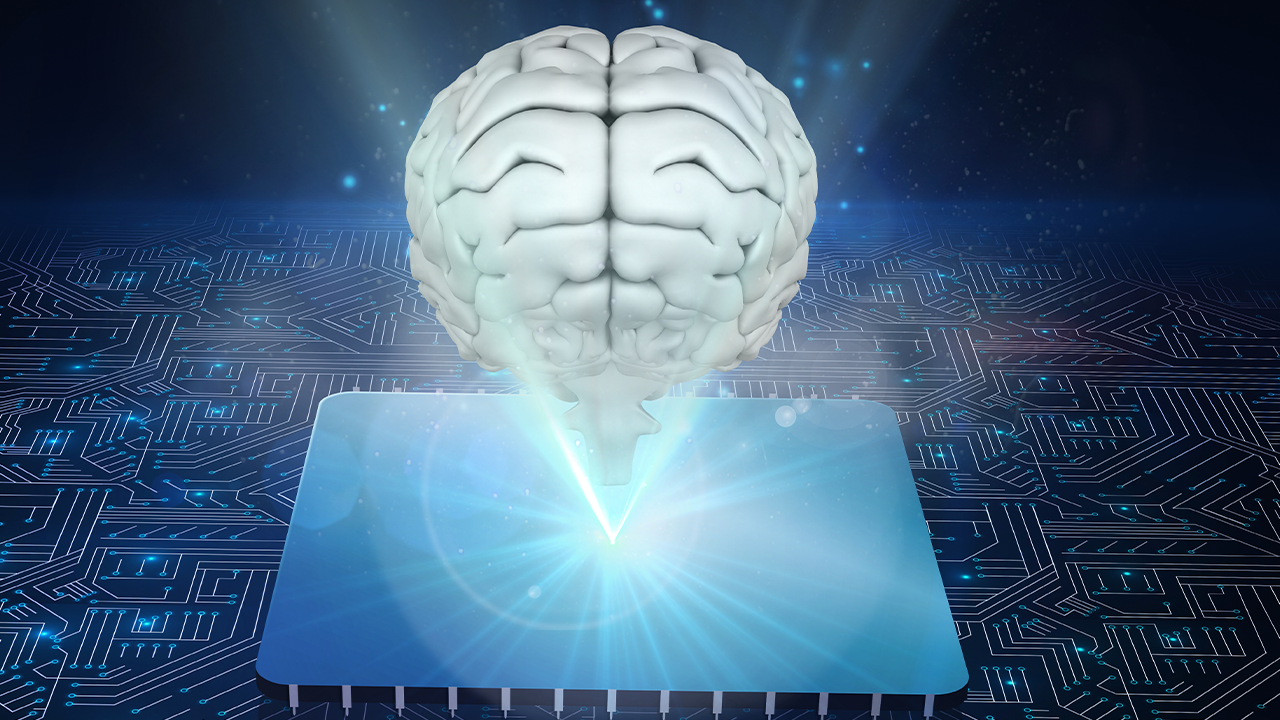
Cortical Labs, a Melbourne-based startup, has made a significant leap forward in the realm of technology by developing a computer that uses human brain cells for processing. This breakthrough technology is called DishBrain, which fuses living brain cells onto computing devices to create machines with biological intelligence.
Konsultasi GRATIS tanpa Komitmen, dan temukan strategi terbaik untuk bisnis Anda.
CHAT SEKARANGThe Journey of Creation
The DishBrain technology was created by growing human neurons into silicon, which allows the neurons to learn better than any digital model and breathe life into machines. The company's CEO, Hon Weng Chong, and his team have trained human brain cells on a computer chip to play the classic video game Pong. The cells on the chip learned to play the game and even improved their performance after receiving feedback on their play.
The Intricacies of the Technology
The DishBrain technology is a combination of human brain cells and computer chips. The neurons on the chip are connected to a computer, and they can sense and respond to their environment. The cells produced electrical activity of their own, and they expended less energy as the game continued. The technology is still in its early stages, but it has the potential to revolutionize the tech world.
Potential Impact on the Tech World
The DishBrain technology has the potential to shape the future of computing. Scientists envision combining the power of brain organoids into a type of biological hardware more energy-efficient than supercomputers. These "biocomputers" would employ networks of brain organoids to potentially revolutionize pharmaceutical testing for diseases like Alzheimer's, provide insight into the human brain, and change the future of computing.
This breakthrough technology is exciting, and it has the potential to change the way we think about computing. The tools developed towards biological computing are the same tools that will allow us to understand changes in neuronal networks specific for autism, without having to use animals or to access patients


Recommended for you
Feeding the Future: Tackling Global Food Security with AI Agriculture
The Psychology Behind Match-3 Games: Why Ducky Pop is So Addictive
The Best Power-Ups and Boosters in Ducky Pop: When and How to Use Them
Tonework: The Future of Personalized Beauty is Here
Unlock the Hidden Worlds: Exploring the Different Themes and Levels in Ducky Pop
From Idea to Launch: A Step-by-Step Guide to Building Your Dream Startup
The Hydrogen Fuel Frontier: Aryanto Misel's Nikuba Tech Shakes the World
AI to the Rescue: Solving Urban Congestion with Smart Public Transportation
Ducky Pop: A Splash in the Match-3 Pool
Eye-Catching Profits: How Smart Design Turns Browsers into Buyers
The Digital Revolution: How Mobile Apps Have Transformed Our Daily Lives
The Future of Website Design: AI-Driven Tools Transforming User Experience
What Are the Most Challenging Obstacles in Ducky Pop and How to Overcome Them?
Ducky Pop: A Splash in the Match-3 Pool
The Rise of NFTs in the Industry: Revolutionizing Digital Assets and Innovation