
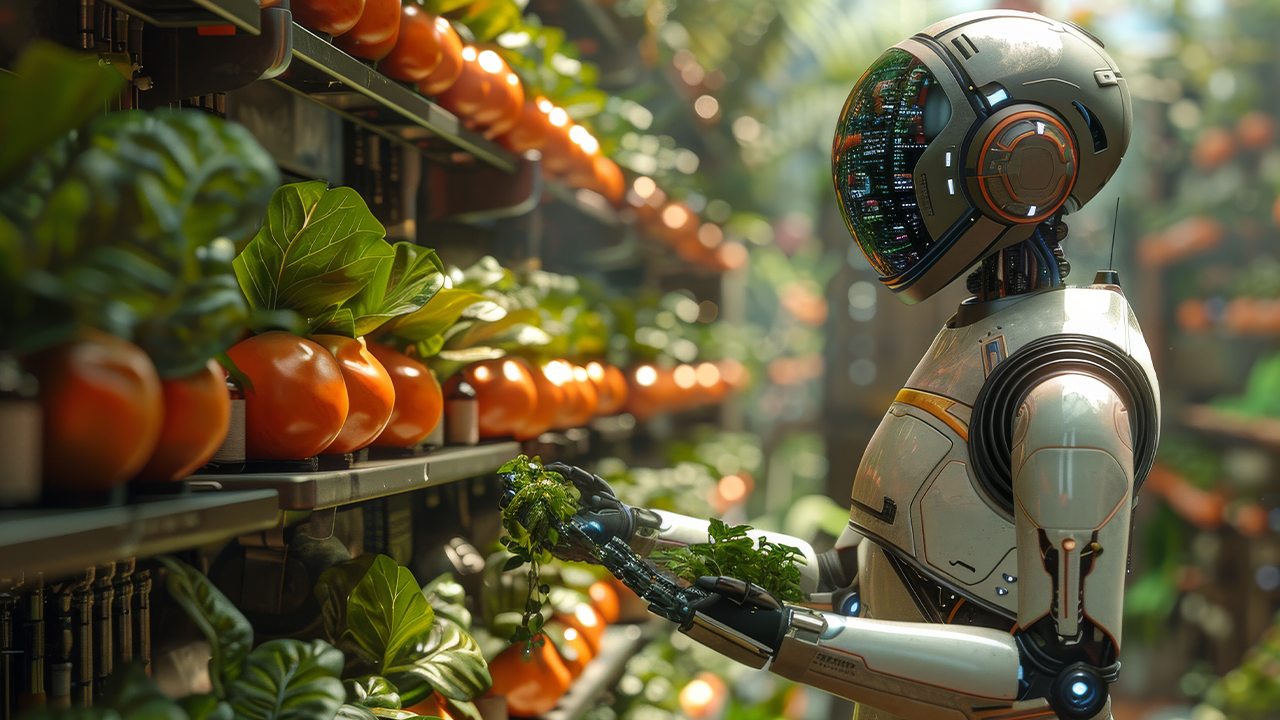
Feeding the Future: Tackling Global Food Security with AI Agriculture
07 Aug, 2024
- 11963 views




2016 - 2026 Copyright @ Graphie.
All Rights Reserved
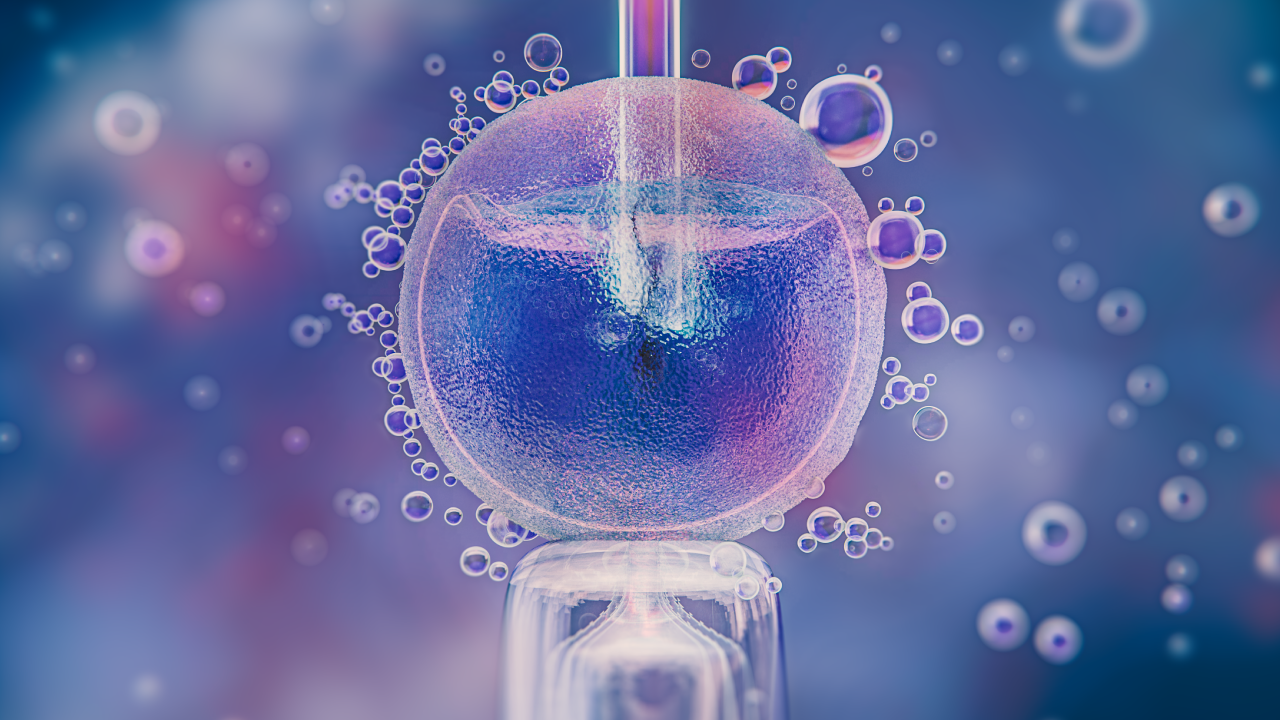
Scientists have recently created synthetic human embryos using stem cells, which sidesteps the need for eggs or sperm. These model embryos resemble those in the earliest stages of human development, and could provide a crucial window on the impact of genetic disorders and the biological causes of recurrent miscarriage. However, there is no near-term prospect of the synthetic embryos being used clinically, and it is not yet clear whether these structures have the potential to continue maturing beyond the earliest stages of development.
Konsultasi GRATIS tanpa Komitmen, dan temukan strategi terbaik untuk bisnis Anda.
CHAT SEKARANGThe Advancements and Challenges
The development highlights how rapidly the science in this field has outpaced the law, and scientists in the UK and elsewhere are already moving to draw up voluntary guidelines to govern work on synthetic embryos. As the technology advances, it’s likely that researchers will find ways to use stem cells to create more mature embryos, and potentially fetuses and baby animals. However, the technology is improving all the time, and research into synthetic embryos has really taken off only in the last five to 10 years, and a huge amount of progress has been made.
Ethical and Legal Issues
The creation of synthetic human embryos raises deep ethical questions, and the rapid progress has outpaced discussions on how they should be dealt with ethically and legally. Researchers are generally not allowed to grow human embryos for more than 14 days, for example, but what about embryo-like structures made from stem cells? These “synthetic embryos” can be made without the direct contribution of egg or sperm cells. Because they’re not “real” embryos, some have argued that the same restrictions don’t apply. However, given how rapidly the field has been moving over the last few years, some experts have become more and more concerned about how close we are to generating a complete human embryo model with the potential to develop into a viable human embryo or fetus.
In conclusion, the creation of synthetic human embryos using stem cells is a groundbreaking advance that sidesteps the need for eggs or sperm. While these model embryos could provide a crucial window on the impact of genetic disorders and the biological causes of recurrent miscarriage, there is no near-term prospect of the synthetic embryos being used clinically. The technology is improving all the time, and research into synthetic embryos has really taken off only in the last five to 10 years, and a huge amount of progress has been made. However, the creation of synthetic human embryos raises deep ethical questions, and the rapid progress has outpaced discussions on how they should be dealt with ethically and legally.


Recommended for you
Feeding the Future: Tackling Global Food Security with AI Agriculture
The Psychology Behind Match-3 Games: Why Ducky Pop is So Addictive
The Best Power-Ups and Boosters in Ducky Pop: When and How to Use Them
Tonework: The Future of Personalized Beauty is Here
Unlock the Hidden Worlds: Exploring the Different Themes and Levels in Ducky Pop
From Idea to Launch: A Step-by-Step Guide to Building Your Dream Startup
The Hydrogen Fuel Frontier: Aryanto Misel's Nikuba Tech Shakes the World
AI to the Rescue: Solving Urban Congestion with Smart Public Transportation
Ducky Pop: A Splash in the Match-3 Pool
Eye-Catching Profits: How Smart Design Turns Browsers into Buyers
The Digital Revolution: How Mobile Apps Have Transformed Our Daily Lives
The Future of Website Design: AI-Driven Tools Transforming User Experience
What Are the Most Challenging Obstacles in Ducky Pop and How to Overcome Them?
Ducky Pop: A Splash in the Match-3 Pool
The Rise of NFTs in the Industry: Revolutionizing Digital Assets and Innovation