

Feeding the Future: Tackling Global Food Security with AI Agriculture
07 Aug, 2024
- 11963 views




2016 - 2026 Copyright @ Graphie.
All Rights Reserved
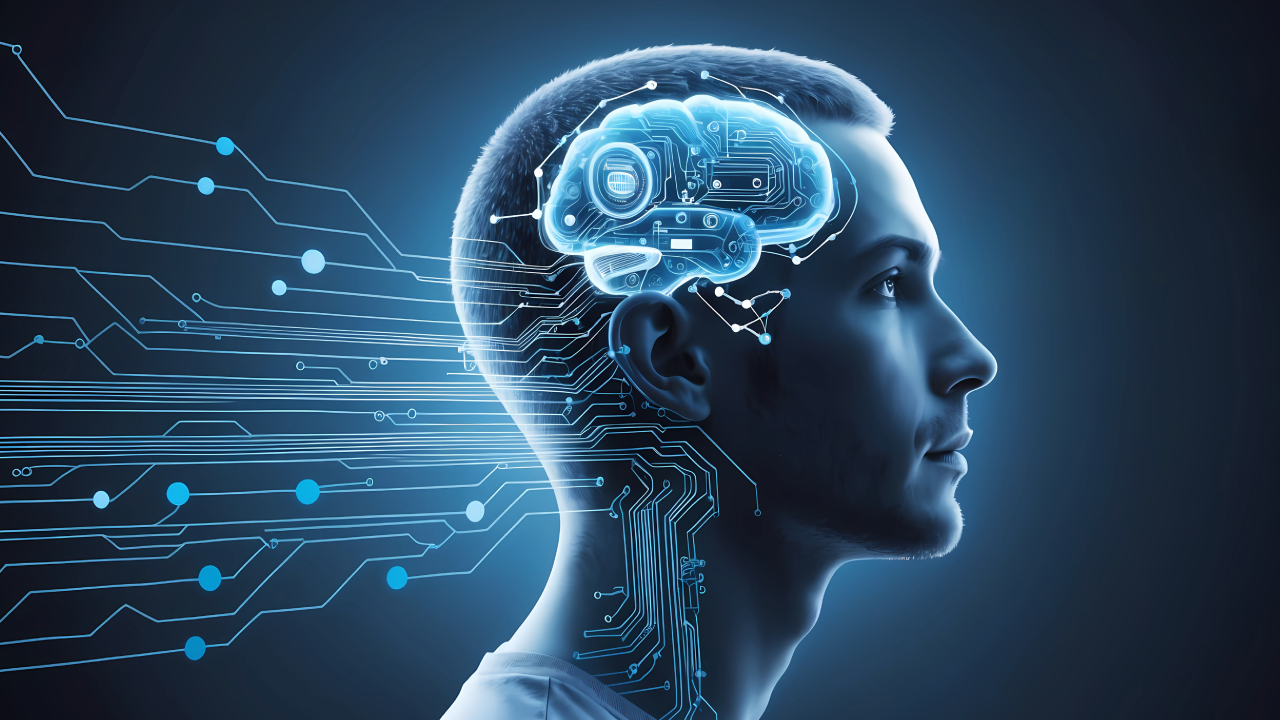
Neuralink, a brain implant company founded by Elon Musk, has recently received FDA approval for an in-human clinical study. This approval is a significant milestone for the company, as it paves the way for the development of groundbreaking solutions to various conditions, including paralysis and obesity. This post will explore the revolutionary impact of Neuralink's newly FDA-approved human trials, particularly focusing on the potential advancements in treating tetraplegia or paralysis.
Konsultasi GRATIS tanpa Komitmen, dan temukan strategi terbaik untuk bisnis Anda.
CHAT SEKARANGThe Scientific Underpinnings of Neuralink's Technology
Neuralink's brain implant, called the "Link," is a Brain-Computer Interface (BCI) that aims to help patients with severe paralysis control external technologies using only neural signals. The device works by decoding brain activity and communicating it to computers, which can then be used to control external devices.
The Procedure
The implantation procedure involves the insertion of a small chip into the brain, which is connected to a wearable device that sits behind the ear. The chip is capable of recording and transmitting neural signals, which can be used to control external devices.
Potential Benefits and Risks
The potential benefits of Neuralink's technology are enormous. Patients with severe degenerative diseases like ALS could eventually regain their ability to communicate with loved ones by moving cursors and typing with their minds. The device could also be used to treat other conditions, such as blindness and obesity.
However, there are also potential risks associated with the procedure. The lithium battery of the device has raised safety concerns, and the FDA has pointed out several safety concerns that needed to be addressed before sanctioning human trials.
Neuralink's technology has the potential to revolutionize medical treatment for a variety of conditions, particularly paralysis. While the clinical trial for its device in humans is no guarantee of regulatory or commercial success, it is a significant milestone for the company and the field of brain-computer interface.


Recommended for you
Feeding the Future: Tackling Global Food Security with AI Agriculture
The Psychology Behind Match-3 Games: Why Ducky Pop is So Addictive
The Best Power-Ups and Boosters in Ducky Pop: When and How to Use Them
Tonework: The Future of Personalized Beauty is Here
Unlock the Hidden Worlds: Exploring the Different Themes and Levels in Ducky Pop
From Idea to Launch: A Step-by-Step Guide to Building Your Dream Startup
The Hydrogen Fuel Frontier: Aryanto Misel's Nikuba Tech Shakes the World
AI to the Rescue: Solving Urban Congestion with Smart Public Transportation
Ducky Pop: A Splash in the Match-3 Pool
Eye-Catching Profits: How Smart Design Turns Browsers into Buyers
The Digital Revolution: How Mobile Apps Have Transformed Our Daily Lives
The Future of Website Design: AI-Driven Tools Transforming User Experience
What Are the Most Challenging Obstacles in Ducky Pop and How to Overcome Them?
Ducky Pop: A Splash in the Match-3 Pool
The Rise of NFTs in the Industry: Revolutionizing Digital Assets and Innovation