
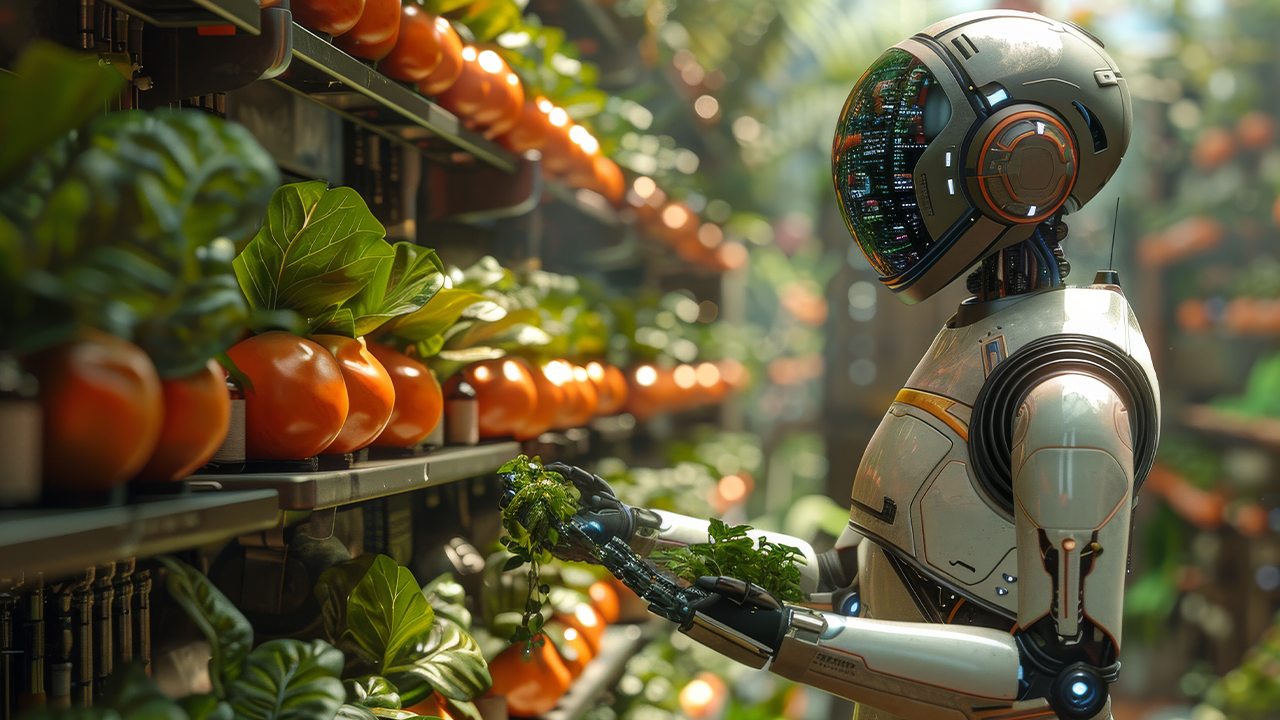
Feeding the Future: Tackling Global Food Security with AI Agriculture
07 Aug, 2024
- 11963 views




2016 - 2026 Copyright @ Graphie.
All Rights Reserved

In a groundbreaking study, artificial intelligence (AI) has shown promising results in assisting doctors with the early detection of heart disease, the leading cause of death globally. This revolution in cardiology presents a powerful tool to potentially save millions of lives every year.
Konsultasi GRATIS tanpa Komitmen, dan temukan strategi terbaik untuk bisnis Anda.
CHAT SEKARANGBehind the Scenes: How the AI Model Works
The research, published in the esteemed 'Journal of the American College of Cardiology', shows how an AI model was trained to analyze patient data and detect early signs of heart disease. The AI was developed by a multidisciplinary team from Stanford University's School of Medicine and was trained using a large dataset of anonymized health records.
The AI model was designed to evaluate a myriad of factors, such as medical history, lab results, and lifestyle factors, and predict the risk of heart disease more accurately than existing methods. The algorithm also incorporated machine learning techniques to adapt and improve its predictions over time, learning from each case it analyzed.
"This is a significant milestone in cardiology and AI integration," said Dr. Euan Ashley, one of the lead researchers on the project at Stanford University. "Early detection is key in managing heart disease, and this AI model can help doctors identify at-risk patients much earlier than before."
This technology has the potential to dramatically change the prognosis for heart disease patients. Early detection can lead to early intervention, which is crucial in preventing severe outcomes such as heart attacks or strokes.
However, researchers stress that AI is a tool to assist doctors, not replace them. The use of AI can help streamline the diagnostic process, giving doctors more time to spend with their patients and providing a more personalized approach to treatment.
AI as a Tool, Not a Replacement, for Doctors
"AI won't replace doctors, but it can certainly make our jobs easier," said Dr. Ashley. "This technology can handle the data-heavy tasks, allowing doctors to focus more on patient care."
The Stanford team plans to further refine the AI and conduct more extensive testing before it can be widely implemented in healthcare settings. However, this study has shown that AI has the potential to play a significant role in predicting heart disease, ushering in a new era of precision medicine.


Recommended for you
Feeding the Future: Tackling Global Food Security with AI Agriculture
The Psychology Behind Match-3 Games: Why Ducky Pop is So Addictive
The Best Power-Ups and Boosters in Ducky Pop: When and How to Use Them
Tonework: The Future of Personalized Beauty is Here
Unlock the Hidden Worlds: Exploring the Different Themes and Levels in Ducky Pop
From Idea to Launch: A Step-by-Step Guide to Building Your Dream Startup
The Hydrogen Fuel Frontier: Aryanto Misel's Nikuba Tech Shakes the World
AI to the Rescue: Solving Urban Congestion with Smart Public Transportation
Ducky Pop: A Splash in the Match-3 Pool
Eye-Catching Profits: How Smart Design Turns Browsers into Buyers
The Digital Revolution: How Mobile Apps Have Transformed Our Daily Lives
The Future of Website Design: AI-Driven Tools Transforming User Experience
What Are the Most Challenging Obstacles in Ducky Pop and How to Overcome Them?
Ducky Pop: A Splash in the Match-3 Pool
The Rise of NFTs in the Industry: Revolutionizing Digital Assets and Innovation